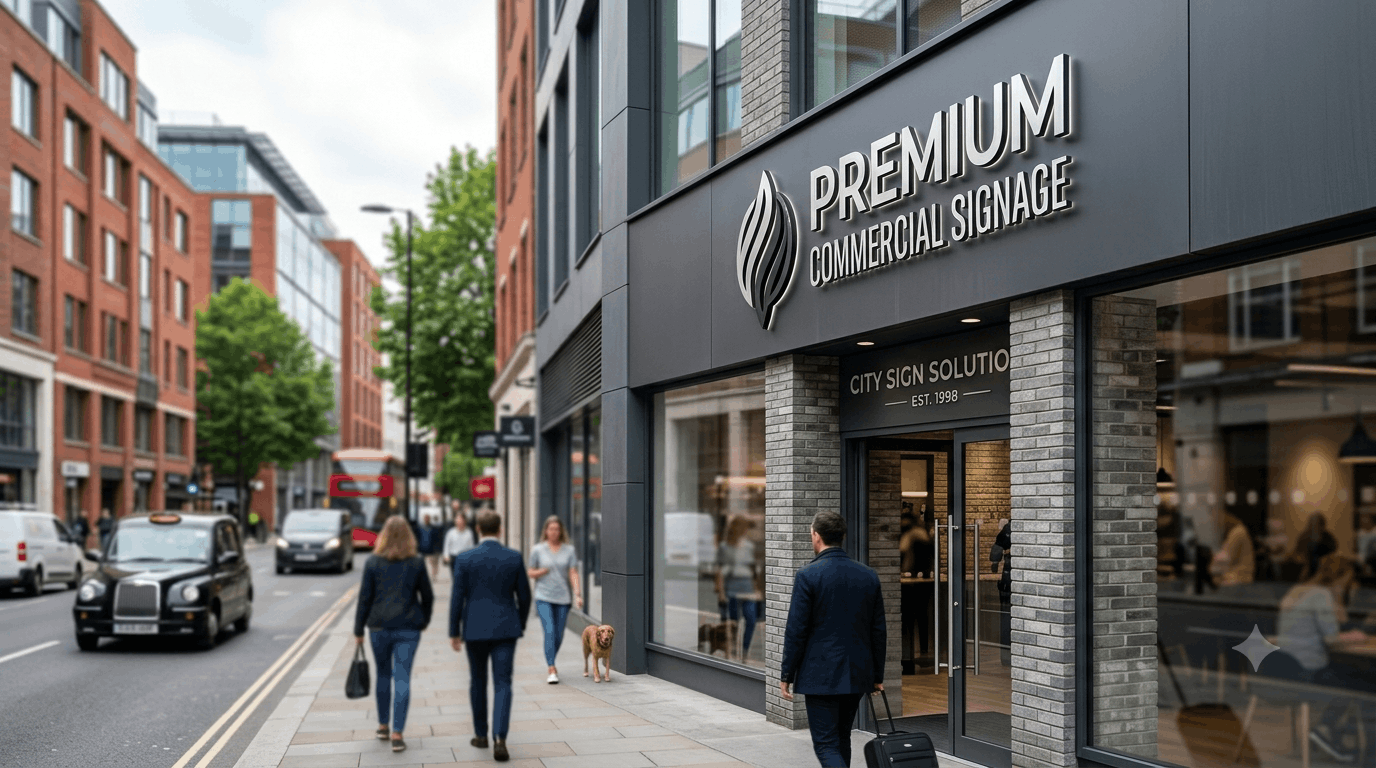
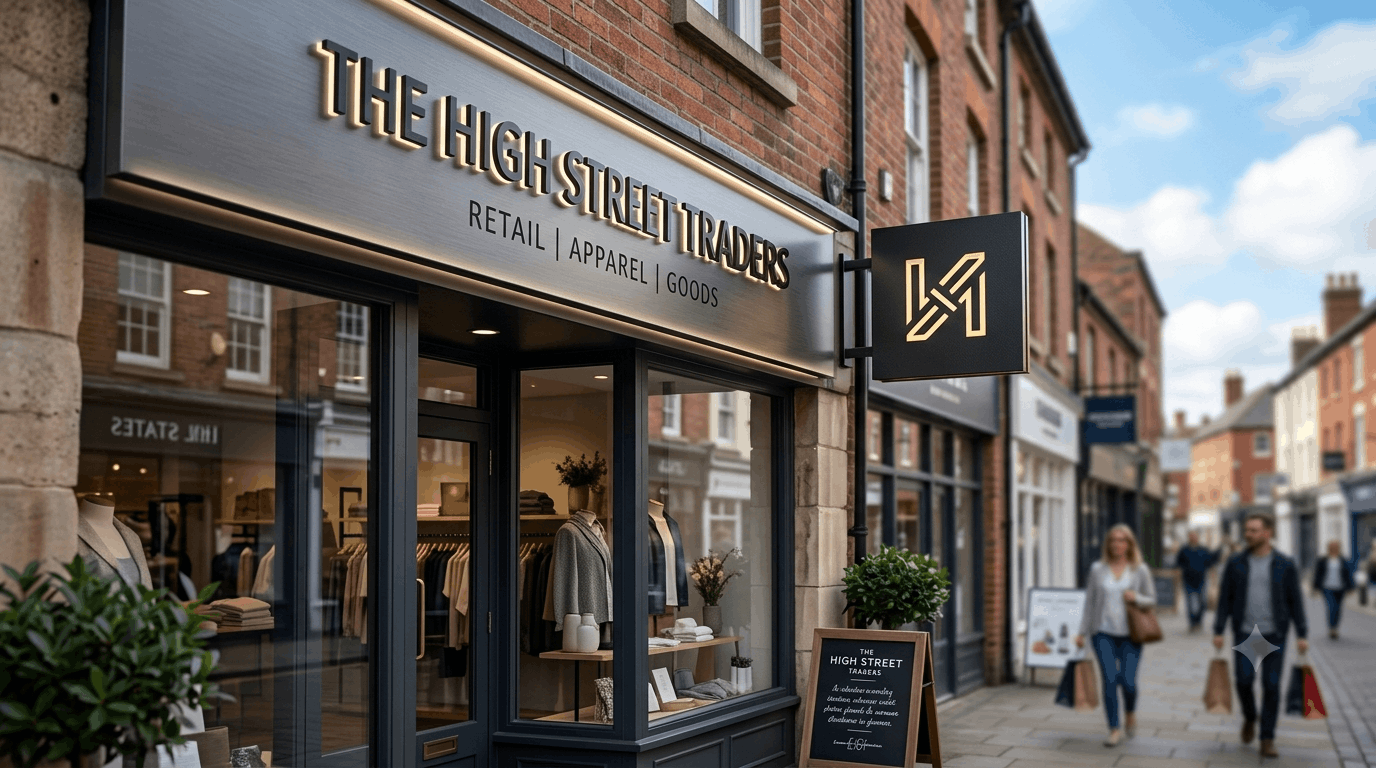
Picture this: you’re walking down a busy UK high street. Dozens of shops line the pavement, all vying for your attention. Which one do you notice first? Which one makes you want to step inside?
Chances are, it’s the one with the standout signage.
For retail businesses, signage isn’t just a way to display your business name—it’s your most powerful, always-on marketing tool. According to recent data, 76% of consumers say they have entered a shop they’ve never visited before simply because of its signage. And get this: just one extra sign on your premises can boost annual sales by nearly 5%.
Yet so many retailers treat signage as an afterthought—a box to tick rather than a strategic investment. The result? Faded fascias, confusing layouts, and missed opportunities.
This guide cuts through the noise. Whether you’re opening a new store, refreshing an existing one, or simply wondering if your signage is working as hard as it should be, you’ll find everything you need to know about choosing the best business signs for retail shops in 2026.
Quick Answer
The best business signs for retail shops combine three elements: visibility, clarity, and brand consistency. For most UK retailers, an illuminated fascia sign using acrylic or aluminium composite materials delivers the strongest impact—it’s visible day and night, projects professionalism, and acts as your primary brand statement. Inside the store, digital signage offers the highest ROI, with UK retailers reporting an average 31.8% sales increase compared to static displays. The most effective retail signage strategy uses a layered approach: exterior signs to attract, directional signs to guide, and promotional signs to convert.
Table of Contents
-
Why Retail Signage Matters More Than Ever
-
Types of Business Signs for Retail Shops
-
Exterior Signage: Your Shopfront’s First Impression
-
Interior Signage: Guiding the Customer Journey
-
Promotional Signage: Driving Sales at the Point of Decision
-
Signage Materials: A Complete Comparison
-
Illuminated vs Non-Illuminated: What’s Right for You?
-
Digital Signage: The Game-Changer for UK Retail
-
Understanding UK Signage Regulations
-
Cost Guide: What to Budget for Retail Signage
-
The ROI of Quality Signage
-
Latest Trends in Retail Signage for 2026
-
Maintenance and Longevity
-
Frequently Asked Questions
-
Conclusion
Why Retail Signage Matters More Than Ever
The UK retail landscape in 2026 is challenging. Footfall remains volatile, operating costs are high, and every square metre of your store needs to work harder. In this environment, signage isn’t a luxury—it’s a competitive necessity.
The Numbers Don’t Lie
Let’s look at the evidence. Research shows that 76% of UK shoppers have walked into a shop for the first time purely because the signage grabbed their attention. Once inside, 58% are influenced to buy by in-store displays.
For retailers using digital signage, the results are even more striking. UK retailers achieve an average 31.8% sales increase compared to traditional static displays. Stores with digital signage have seen average transaction values increase by nearly 30%. For UK small and medium enterprises, ROI on digital signage can range from 47% to 124%, depending on sector and footfall.
Signage Builds Trust
Beyond the hard numbers, signage builds trust. A professional, well-maintained shopfront signals that you care about details—and if you care about your shop’s appearance, customers assume you’ll care about their experience too. As one industry expert puts it, “the shop signs that attract the most customers are those that combine visibility, clarity, quality materials, and strong branding”.
The High Street Is Competitive
With online retail continuing to grow, physical stores need every advantage. Your signage is often the first—and sometimes the only—chance you get to make an impression. A tired, faded sign sends a clear message: this business doesn’t care. A crisp, professional, well-maintained sign does the opposite. It signals quality, reliability, and attention to detail—qualities that customers actively seek out.
Types of Business Signs for Retail Shops
Retail signage falls into three main categories: exterior, interior, and promotional. Each serves a distinct purpose, and the best retail signage strategies use all three in harmony.
At a Glance: The Three Categories
| Category | Purpose | Examples |
|---|---|---|
| Exterior | Attract attention, identify your business, draw people in | Fascia signs, projecting signs, A-boards, window graphics |
| Interior | Guide customers, reinforce brand, create atmosphere | Reception signs, wayfinding, department identifiers |
| Promotional | Drive sales, highlight offers, encourage impulse purchases | Digital screens, shelf talkers, posters, floor graphics |
Why You Need All Three
Think of it as a customer journey. The exterior sign stops them on the pavement. The interior signage helps them navigate and feel comfortable. The promotional signage encourages them to buy—and buy more.
A retail space that nails all three creates what industry experts call a “branded environment”—an immersive experience that builds customer loyalty and increases dwell time.
Exterior Signage: Your Shopfront’s First Impression
Your exterior signage is your shop’s handshake with the world. It needs to be visible, legible, and memorable. Here are the most effective types for UK retailers.
Fascia Signs
The fascia sign—mounted on the front of your shop, usually above the ground floor—is your primary brand statement. It’s the first thing people see, and it needs to communicate who you are instantly.
Best for: Every retail business. A fascia sign is the cornerstone of shopfront signage.
Materials: Aluminium composite (Dibond), acrylic, stainless steel, or a combination.
Illumination: Highly recommended. Illuminated signs consistently rank as one of the most effective options for attracting customers.
Average cost: £200–£700 for flat panels, significantly more for 3D or illuminated options.
Projecting Signs
Also called hanging signs or blade signs, projecting signs extend out from the building at a right angle. They’re visible from the side, making them excellent for shops on streets where pedestrians approach from an angle.
Best for: Shops in pedestrianised areas, side-street locations, or anywhere you need to catch attention from the side.
Material options: Similar to fascia signs—metal, acrylic, or wood for a traditional look.
A-Boards and Pavement Signs
A-boards (or A-frame signs) are freestanding signs placed on the pavement outside your shop. They’re versatile, affordable, and perfect for promotions.
Best for: Daily specials, sales announcements, and drawing attention from foot traffic.
Popular types: Snap frame A-boards with hinged snap-open frames let you swap printed posters in seconds—ideal for shops running weekly or monthly promotions.
Average cost: From around £50 for basic models.
Pro tip: In 2026, pavement signs are still highly effective, particularly for speciality coffee shops, boutique retailers, craft breweries, and delis that want a sign that doubles as a brand statement.
Window Graphics
Your shop window is prime advertising real estate. Window graphics can be used for branding, promotions, or simply to show passers-by what’s inside.
Best for: Retailers who want to maximise their window space. Particularly effective for fashion, beauty, and food retailers.
Material: Self-adhesive vinyl, available in opaque, translucent, or perforated (see-through) options.
Lifespan: 2–5 years depending on quality and sun exposure.
Interior Signage: Guiding the Customer Journey
Once a customer steps inside, your signage needs to guide, inform, and reassure. Here’s what works.
Reception and Welcome Signs
First impressions matter inside too. A professional reception sign sets the tone for the entire customer experience.
Best for: Any retail business with a reception or welcome area. Particularly important for higher-end retailers, clinics, and service-based retail.
Material: Acrylic, aluminium, or wood. Acrylic gives a glossy, luxury feel that matches modern interiors.
Wayfinding and Directional Signs
Clear directional signs help customers navigate your space, locate departments, and find what they’re looking for. In larger stores, this is essential—customers who can’t find what they need will simply leave.
Best for: Department stores, supermarkets, shopping centres, and any retail space with multiple sections or floors.
Benefits: Smooths traffic flow, reduces congestion, and gets people to the right area quickly.
Department and Section Identifiers
These signs tell customers where they are and what they’ll find. They’re particularly important in larger retail environments.
Best for: Supermarkets, department stores, and any retail space with distinct product categories.
Health and Safety Signs
Don’t overlook these. Under the Health and Safety (Safety Signs and Signals) Regulations 1996, UK workplaces must display appropriate safety signs where risks cannot be controlled by other means. These must conform to BS EN ISO 7010.
Colour code:
-
Blue: Mandatory signs
-
Red: Fire safety and prohibition
-
Green: Emergency escape and first aid
-
Yellow: Warning signs
Promotional Signage: Driving Sales at the Point of Decision
This is where signage directly drives revenue. Promotional signage encourages customers to buy—and buy more.
Digital Signage
Digital screens are the most engaging and effective type of display available. They can show moving images, rotate multiple messages, and be updated instantly.
Best for: Any retailer wanting to maximise sales. Particularly effective for food service, fashion, and electronics.
ROI: UK retailers using digital signage achieve an average 31.8% sales increase compared to static displays. One UK retail example showed a £5,700 investment generating £12,800 in revenue uplift.
Average ROI: 52% in retail environments, with a typical payback period of 14 months.
Shelf Talkers and Point-of-Sale (POS) Displays
Small signs placed on shelves or at the point of purchase. They highlight specific products, prices, or offers.
Best for: Encouraging impulse purchases and upselling. Particularly effective for supermarkets, pharmacies, and convenience stores.
Why they work: They catch the customer’s eye at the exact moment they’re making a purchasing decision.
Posters and Banners
Classic, versatile, and cost-effective. Posters and banners can be used for sales, new product launches, or seasonal campaigns.
Best for: Short-term promotions and seasonal campaigns.
Materials: Vinyl for outdoor use, canvas or polyester for premium indoor banners.
Floor Graphics
Vinyl graphics applied to the floor. They grab attention because customers aren’t expecting to see messaging there.
Best for: Directional guidance, promotional messaging, and creating an immersive brand experience. They help retail spaces feel clearer, more modern, and easier to navigate.
Signage Materials: A Complete Comparison
The material you choose has a direct impact on appearance, durability, and cost.
Aluminium Composite (Dibond)
Two thin aluminium sheets bonded to a polyethylene core. Lightweight yet rigid, weather-resistant, and offers excellent print quality.
| Property | Detail |
|---|---|
| Best for | Outdoor fascia signs, building signs |
| Lifespan | 5–10 years outdoors |
| Cost | £££ |
| Pros | Weather-resistant, lightweight, professional finish |
| Cons | More expensive than vinyl, can be damaged by impacts |
Acrylic (Plexiglass)
A transparent plastic offering excellent clarity. Available in virtually any colour. Transmits light beautifully, making it ideal for illuminated signs.
| Property | Detail |
|---|---|
| Best for | Illuminated signs, 3D letters, indoor signage |
| Lifespan | Excellent for indoor; good outdoor with appropriate grade |
| Cost | £££ |
| Pros | Premium appearance, excellent light transmission, many colours |
| Cons | Can scratch, higher cost than vinyl |
Stainless Steel
Exceptional durability and a premium, professional appearance. Commonly used for high-end 3D letters and building signs.
| Property | Detail |
|---|---|
| Best for | Premium outdoor signage, 3D letters |
| Lifespan | 15+ years |
| Cost | ££££ |
| Pros | Extremely durable, weather-resistant, premium appearance |
| Cons | Expensive, heavy, requires professional installation |
PVC (Foamex)
Rigid, durable, lightweight, and water-resistant. A popular budget-friendly option.
| Property | Detail |
|---|---|
| Best for | Indoor signage, short-term outdoor use |
| Lifespan | 2–5 years |
| Cost | ££ |
| Pros | Affordable, lightweight, easy to work with |
| Cons | Less premium appearance, can warp in extreme heat |
Vinyl
Self-adhesive film that can be cut or printed. Versatile and cost-effective.
| Property | Detail |
|---|---|
| Best for | Window graphics, vehicle branding, temporary signage |
| Lifespan | 2–5 years |
| Cost | £ |
| Pros | Cost-effective, versatile, easy to apply |
| Cons | Shorter lifespan, can fade or peel |
Wood
Timeless and warm. Creates a traditional, premium feel.
| Property | Detail |
|---|---|
| Best for | Traditional retail, pubs, hotels, premium brands |
| Lifespan | 5–10 years with proper maintenance |
| Cost | £££-££££ |
| Pros | Unique aesthetic, warm appearance, traditional feel |
| Cons | Requires maintenance, can rot if not treated |
Material Selection Guide
| Material | Best Use Case | Cost | Durability |
|---|---|---|---|
| Aluminium Composite | Outdoor fascia | £££ | High |
| Acrylic | Illuminated/indoor | £££ | High |
| Stainless Steel | Premium outdoor | ££££ | Very High |
| PVC/Foamex | Indoor/budget | ££ | Medium |
| Vinyl | Windows/temporary | £ | Medium |
| Wood | Traditional/premium | £££-££££ | Medium |
Illuminated vs Non-Illuminated: What’s Right for You?
One of the biggest decisions you’ll make is whether your signage should be illuminated.
Illuminated Signage
Pros:
-
Visible 24/7, maximising exposure
-
Creates a premium, professional appearance
-
Particularly effective during UK’s shorter daylight hours in autumn and winter
-
Modern LED options are highly energy-efficient
Cons:
-
Higher upfront cost
-
Requires electrical installation
-
May need planning permission
Best for: Retailers open in the evening, shops on busy roads, businesses competing with neighbours who have illuminated signs.
Energy efficiency: Modern LED signage is remarkably efficient, with some installations achieving energy savings of up to 50% compared to traditional lighting.
Latest trend: In 2026, illuminated shop signs are evolving to meet modern aesthetic and functional needs, with LED innovations leading the way.
Non-Illuminated Signage
Pros:
-
Lower upfront cost
-
Simpler installation
-
Lower ongoing maintenance
Cons:
-
Invisible after dark
-
Less impactful in low light
Best for: Businesses operating only during daylight, budget-conscious retailers, internal signage.
The Verdict
For most UK retailers, illuminated fascia signage is worth the investment. The ability to attract customers after dark—particularly during the long winter months—delivers returns that far outweigh the additional cost.
Digital Signage: The Game-Changer for UK Retail
If there’s one trend that’s transforming UK retail in 2026, it’s digital signage.
What Is Digital Signage?
Digital signage uses electronic displays—LED screens, LCD screens, or projection—to show dynamic content. Unlike static signs, digital displays can show video, rotate multiple messages, and be updated instantly.
Why It Works
Digital screens are the most engaging and effective type of display available. They catch attention through movement and colour, and they can be tailored to specific times of day or customer segments.
The Numbers
-
31.8% average sales increase for UK retailers using digital signage
-
52% average ROI in retail environments
-
14 months typical payback period
-
47% to 124% ROI range for UK SMEs
-
Nearly 30% increase in average transaction values
-
78% of small UK businesses report digital signage improves their local visibility
Best Applications for Retail
-
Menu boards for food and beverage retailers
-
Promotional displays highlighting current offers
-
Product demonstrations showing products in use
-
Wayfinding in larger stores
-
Brand storytelling creating an immersive experience
The 2026 Trend: Live Data Screens
Live data displays are emerging as a key trend in 2026, increasing dwell time while making stores more flexible and multi-purpose. These screens show real-time information—stock levels, wait times, social media feeds—creating a dynamic, responsive retail environment.
Understanding UK Signage Regulations
Navigating signage regulations is essential for compliance and safety.
British Standard BS 559
BS 559 is the British Standard covering the specification for the design, construction, and installation of signs. The latest version, BS 559-1:2023, specifies requirements for the design, manufacture, and installation of interior or exterior signs.
The new BS 559-2 standard is currently in draft and will cover the inspection and maintenance of interior and exterior signs.
What this means for you: A reputable signage manufacturer should reference BS 559 and demonstrate familiarity with these standards.
Health and Safety Regulations
Under the Health and Safety (Safety Signs and Signals) Regulations 1996, UK workplaces must display appropriate safety signs where risks cannot be controlled by other means. These must conform to BS EN ISO 7010.
Planning Permission
Not all signage requires planning permission, but many types do:
-
Illuminated signs
-
Large signs exceeding certain size thresholds
-
Signs in conservation areas or on listed buildings
-
Signs that project beyond the building line
Always check with your local planning authority before commissioning signage. A professional manufacturer can advise on whether permission is needed.
Cost Guide: What to Budget for Retail Signage
Here’s a realistic guide to UK retail signage pricing.
Typical Price Ranges
| Signage Type | Price Range | Notes |
|---|---|---|
| Flat panel fascia | £200–£700 | Standard materials, basic design |
| Illuminated fascia | £1,000–£5,000+ | LED illumination adds significant cost |
| 3D built-up letters | £500–£2,500 | Depends on size, material, number of letters |
| Projecting/hanging sign | £300–£1,500 | Depends on size and materials |
| A-board/pavement sign | £50–£300 | Basic to premium models |
| Window graphics | £100–£500 | Per window, depends on size and complexity |
| Digital signage screen | £1,000–£5,000+ | Per screen, plus installation and content |
| Interior signage package | £500–£3,000 | Depends on scope and materials |
Factors Affecting Price
-
Size: Larger signs require more materials and labour
-
Materials: Premium materials like stainless steel cost significantly more
-
Illumination: LED lighting adds to the cost but offers long-term energy savings
-
Complexity: Intricate designs, custom shapes, and 3D elements increase costs
-
Installation: High-level installations or complex electrical work adds to the price
-
Location: Remote installations may incur travel costs
Ways to Save Money
-
Consider non-illuminated options if 24/7 visibility isn’t essential
-
Choose standard sizes and shapes rather than fully custom designs
-
Bundle multiple signs into a single project for economies of scale
-
Regular maintenance extends lifespan and prevents costly premature replacement
The ROI of Quality Signage
Quality signage isn’t an expense—it’s an investment. And the returns are impressive.
The Numbers
-
76% of UK shoppers have entered a shop for the first time because of its signage
-
58% are influenced to buy by in-store displays
-
31.8% average sales increase from digital signage
-
Nearly 30% increase in average transaction values with digital signage
-
52% average ROI on indoor digital signage
-
Over 600% annual ROI for quality outdoor business signage
Real-World Example
One UK retailer invested £5,700 annually in digital signage (including hardware depreciation, software, and content). The result? £12,800 in revenue uplift—a return most traditional advertising channels cannot match.
The Bottom Line
Quality signage delivers measurable returns. Whether through increased footfall, higher transaction values, or improved customer experience, the right signage pays for itself—and then some.
Latest Trends in Retail Signage for 2026
Stay ahead of the curve with these 2026 trends.
1. Sustainability
Sustainability has been at the forefront of signage trends in 2026. Once niche products like Xanita honeycomb board and PVC-free banners have leapt ahead in popularity. Retailers are increasingly choosing eco-friendly materials and manufacturing processes.
2. Bold Simplicity
One of the strongest graphic design trends for 2026 is a move towards clearer, bolder, more simplified visual communication. Overdesigned visuals are out; clean, impactful messaging is in.
3. Branded Environments
Retail spaces are becoming more immersive. Signage is no longer just about displaying information—it’s about creating an experience that builds emotional connection with customers.
4. Motion and Digital
Motion design continues to grow through digital signage. Moving images capture attention in ways static signs simply cannot.
5. Mixed Materials
Raised lettering, carved wood, brushed metals, and mixed materials add presence and quality to signage. This trend is especially popular with cafes, bars, restaurants, and retail spaces looking to create memorable environments.
6. Craftsmanship
There’s a growing appreciation for craftsmanship and smarter design. Handcrafted elements and attention to detail signal quality and care.
7. Live Data Integration
Live data displays are emerging as a key trend, increasing dwell time while making stores more flexible and multi-purpose. These screens show real-time information, creating a dynamic retail environment.
Maintenance and Longevity
Your signage is an investment—protect it with proper maintenance.
Expected Lifespan
| Signage Type | Expected Lifespan |
|---|---|
| Temporary vinyl/banners | 6 months–2 years |
| Standard outdoor signage | 3–10 years |
| Premium aluminium/stainless steel | 10–15+ years |
Cleaning Tips
-
Use mild detergent and soft cloths—avoid abrasive cleaners
-
Rinse thoroughly with clean water
-
For illuminated signs, ensure power is off before cleaning
-
Never use pressure washers on delicate signage
Inspection Checklist
Conduct bi-annual inspections to check for:
-
Loose fixings or fittings
-
Cracks, chips, or other physical damage
-
Fading or discolouration
-
Water ingress (particularly in illuminated signs)
-
Flickering or non-functioning lights
Professional Maintenance
Many signage manufacturers offer maintenance contracts. While this adds to ongoing costs, it can significantly extend the lifespan of your signage and prevent costly emergency replacements.
Frequently Asked Questions
1. What is the most effective type of signage for a retail shop?
For most retailers, an illuminated fascia sign is the most effective investment. It acts as your primary brand statement, is visible 24/7, and attracts customers from the pavement. Inside the store, digital signage delivers the highest ROI, with UK retailers reporting an average 31.8% sales increase.
2. How much does retail signage cost in the UK?
Costs vary widely. A flat panel fascia sign typically costs £200–£700, while illuminated fascia signs range from £1,000–£5,000+. A-boards start from around £50, and digital signage screens range from £1,000–£5,000+ per screen. Always request a detailed, itemised quote.
3. What’s the best material for a shop fascia sign?
For most UK retailers, aluminium composite (Dibond) offers the best balance of durability, weather resistance, and professional appearance. For premium applications, stainless steel offers exceptional durability and a high-end look. Acrylic is excellent for illuminated signs.
4. Do I need planning permission for my shop sign?
It depends. Illuminated signs, large signs, and signs in conservation areas or on listed buildings often require planning permission. Always check with your local planning authority. A professional signage manufacturer can advise on whether permission is needed.
5. What’s the ROI of retail signage?
The returns are substantial. 76% of UK shoppers have entered a shop because of its signage. Digital signage delivers an average 31.8% sales increase and 52% ROI in retail environments. One UK retailer saw a £5,700 investment generate £12,800 in revenue uplift.
6. Is digital signage worth it for small retail shops?
Absolutely. UK SMEs report ROI ranging from 47% to 124% on digital signage. The payback period is typically 12 to 18 months. Even small retailers can benefit from a single screen displaying promotions, menus, or product information.
7. What are the UK regulations for signage?
Signage must comply with British Standard BS 559-1:2023 for design, manufacture, and installation. Safety signs must conform to BS EN ISO 7010 under the Health and Safety (Safety Signs and Signals) Regulations 1996. A professional manufacturer will ensure your signage meets all requirements.
8. How long do outdoor shop signs last?
Most outdoor signs last between 3 and 10 years in UK conditions. Premium stainless steel installations can exceed 15 years. Lifespan depends on materials, installation quality, and maintenance.
9. What’s trending in retail signage for 2026?
Key trends include sustainability (eco-friendly materials), bold simplicity in design, branded environments, motion and digital signage, mixed materials, craftsmanship, and live data integration.
10. Should I choose illuminated or non-illuminated signage?
For most UK retailers, illuminated signage is worth the investment. It ensures visibility during the shorter daylight hours of autumn and winter and attracts customers after dark. If your business operates only during daylight and budget is tight, non-illuminated may suffice.
11. What’s the difference between acrylic and aluminium signage?
Acrylic offers excellent light transmission and a premium appearance, making it ideal for illuminated signs and 3D letters. Aluminium composite (Dibond) is lightweight, weather-resistant, and excellent for outdoor fascia signs. Acrylic is generally more expensive but offers a more premium look.
12. How do I maintain my shop signage?
Regular cleaning with mild detergent and soft cloths is essential. Conduct bi-annual inspections for loose fixings, damage, or fading. For illuminated signs, check that all lights are functioning. Professional maintenance contracts can extend lifespan significantly.