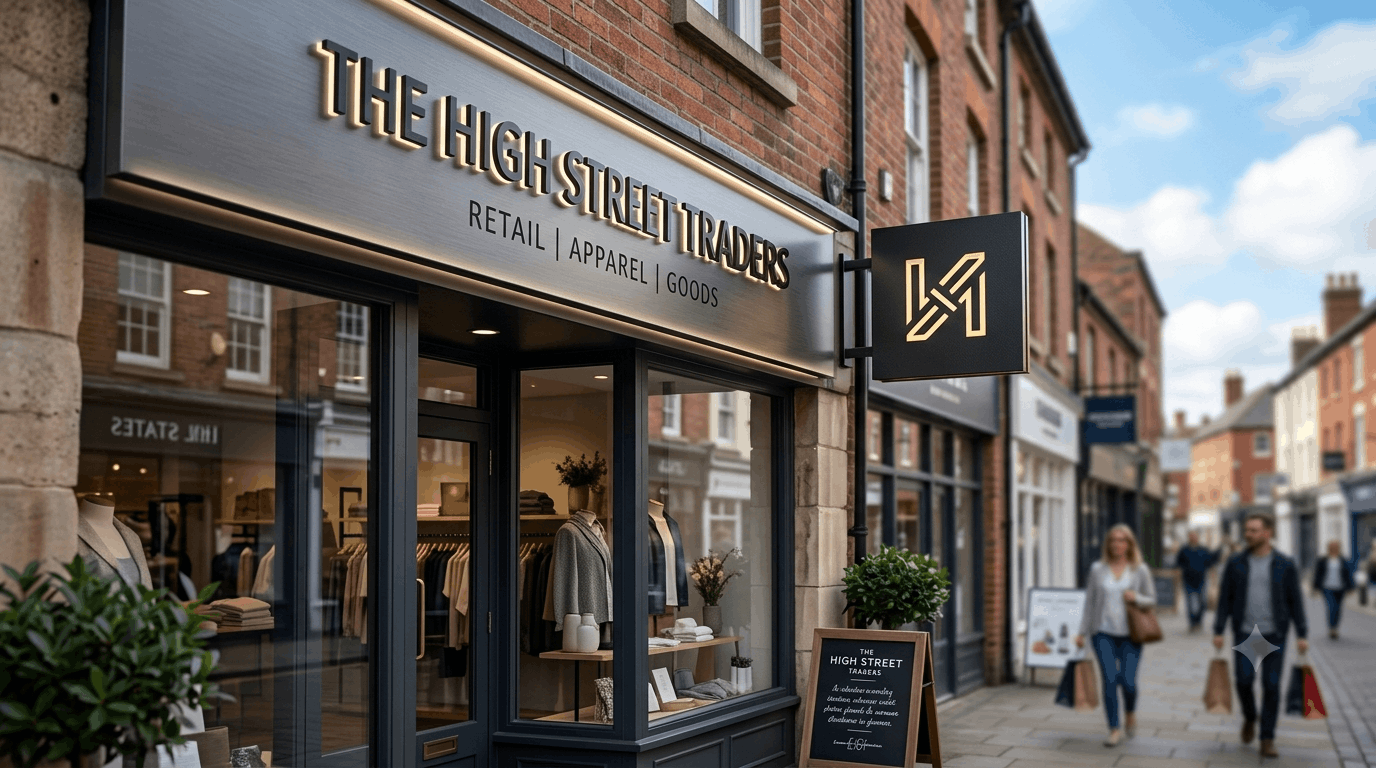
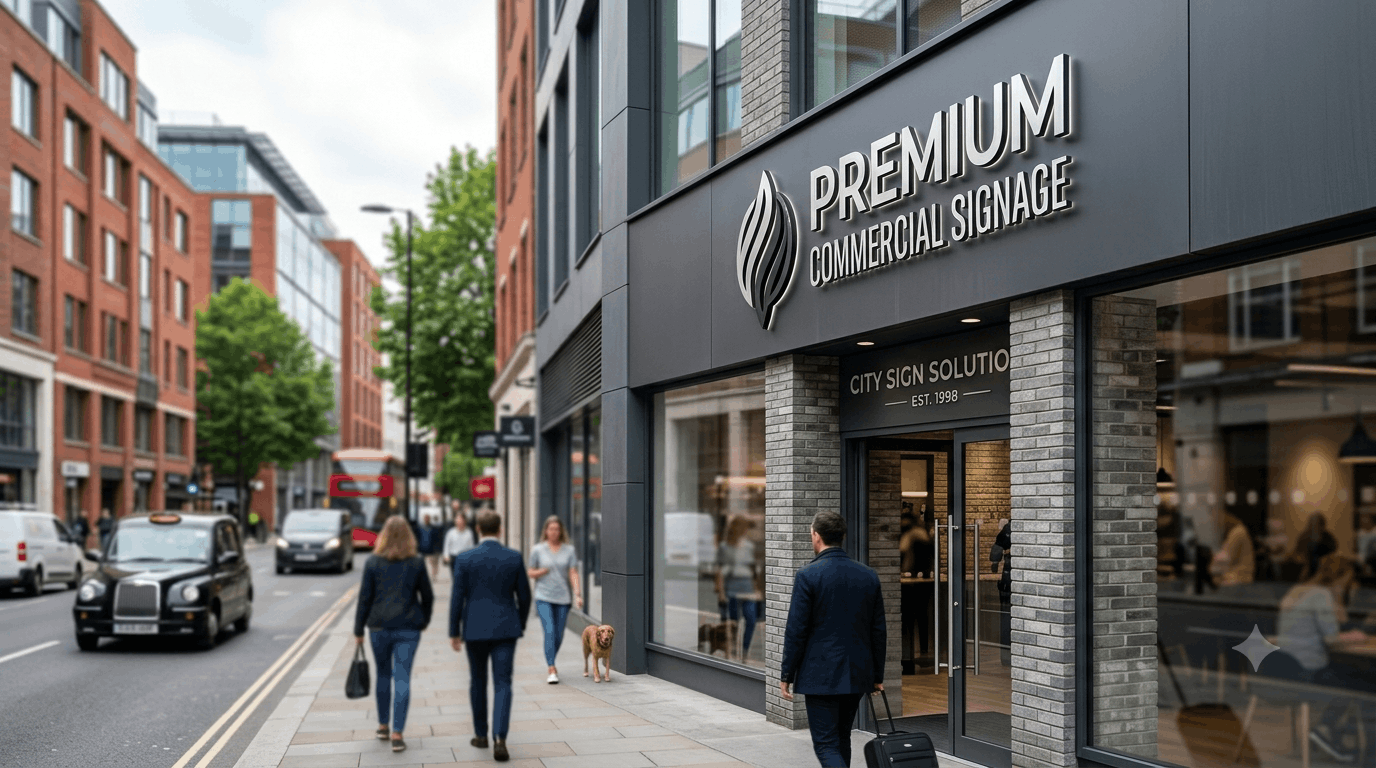
Walking down any high street in the UK, you’ll notice something immediately: the businesses that grab your attention almost always have one thing in common—great signage. Whether it’s a beautifully illuminated fascia, a sleek set of 3D lettering, or a clever window display, the quality of a shop’s signage speaks volumes about the business behind it.
But here’s the challenge: finding the right signage manufacturer in the UK isn’t as straightforward as it should be. With hundreds of companies offering everything from basic banners to complex illuminated installations, how do you separate the professionals from the cowboys? How do you ensure your investment actually delivers returns rather than fading, peeling, or failing within months?
This comprehensive guide will walk you through exactly what to look for when choosing a signage manufacturer in the UK. You’ll learn about materials, regulations, costs, red flags to avoid, and the questions you absolutely must ask before signing any contract. By the end, you’ll be equipped to make a confident, informed decision that protects your brand and your budget.
Quick Answer
To choose the best signage manufacturer in the UK, start by checking their credentials—look for membership with the British Sign and Graphics Association (BSGA) and familiarity with British Standard BS 559 for signage design and installation. Review their portfolio for experience with businesses similar to yours and ask about the materials they use, particularly for outdoor applications where UK weather demands durability. Request a detailed written quote that breaks down design, materials, fabrication, installation, and warranty. Always visit their workshop if possible, and never accept a verbal agreement. The right manufacturer will offer design mockups, conduct a site survey, and provide clear timelines before work begins.
Table of Contents
-
Understanding Your Signage Needs
-
Why Quality Signage Matters for UK Businesses
-
Key Factors to Consider When Choosing a Manufacturer
-
Signage Materials: A Comprehensive Comparison
-
Illuminated vs Non-Illuminated Signage
-
Indoor vs Outdoor Signage Considerations
-
Understanding UK Signage Regulations and Standards
-
The Signage Design and Manufacturing Process
-
Cost Guide: What to Expect to Pay
-
Questions to Ask Before You Commit
-
Red Flags: Signs of an Unreliable Manufacturer
-
Maintenance and Longevity
-
Frequently Asked Questions
-
Conclusion
Understanding Your Signage Needs
Before you even start researching manufacturers, you need to get clear on what you actually need. This might sound obvious, but many business owners rush into conversations without a proper brief, which leads to confusion, delays, and often, disappointing results.
Start With Your Objectives
Ask yourself: what do you want your signage to achieve? Are you looking to attract foot traffic from the street? Reinforce your brand identity? Provide directional information inside a building? Or perhaps all of the above?
A restaurant in Soho has very different signage requirements than a medical clinic in Edinburgh or a warehouse in Birmingham. Understanding your primary objective will help you communicate clearly with potential manufacturers and ensure they’re proposing solutions that actually fit your needs.
Consider Your Location
Where your sign will be installed is arguably the most important factor in determining what type of signage you need. A sign exposed to coastal salt air, for instance, requires different materials than one in a sheltered city centre. Similarly, a sign that needs to be visible from a distance—perhaps on a busy A-road—will need to be larger and potentially illuminated, whereas a sign for a pedestrianised shopping street can be smaller and more intricate.
Think About Longevity
Are you after a temporary solution for a pop-up shop or promotional campaign, or are you investing in signage that needs to last a decade or more? Most outdoor signs in UK conditions last between three and ten years, though premium stainless steel installations can exceed fifteen years. Your budget and timeline will influence this decision, but it’s worth thinking long-term—cheaper materials often need replacing sooner, which can end up costing more in the long run.
Why Quality Signage Matters for UK Businesses
It’s easy to view signage as just another expense, but the data tells a different story. The UK signage market is substantial and growing—the digital signage segment alone was valued at approximately $618 million in 2024 and is projected to reach $1.2 billion by 2035. That growth reflects how seriously UK businesses take their visual presence.
First Impressions Count
Your signage is often the first interaction a potential customer has with your business. A tired, faded, or poorly designed sign sends a clear message: this business doesn’t care about details. Conversely, a crisp, professional, well-maintained sign signals quality, reliability, and attention to detail—qualities that customers actively seek out.
Competitive Advantage on the High Street
UK high streets are more competitive than ever. With online retail continuing to grow, physical stores need every advantage they can get. Great signage helps you stand out from neighbouring businesses, draws people in, and can significantly impact footfall. According to industry reports, the signage industry as a whole is projected to grow at a compound annual growth rate of 6.6% from 2024 to 2034, reaching a global market valuation of $75.4 billion. That growth is driven by businesses recognising that signage isn’t just an expense—it’s an investment in visibility.
Compliance and Safety
Beyond aesthetics, quality signage ensures you meet your legal obligations. UK workplaces must display appropriate health and safety signs where risks cannot be controlled by other means, under the Health and Safety (Safety Signs and Signals) Regulations 1996. These signs must conform to BS EN ISO 7010 standards, ensuring clear symbols and consistent design. A reputable signage manufacturer will understand these requirements and ensure your signage is fully compliant.
Key Factors to Consider When Choosing a Manufacturer
With so many options available, narrowing down your choices can feel overwhelming. Here are the essential factors that separate the best signage manufacturers from the rest.
Experience and Portfolio
Experience matters in signage manufacturing. A company that’s been in business for years has encountered—and solved—virtually every challenge that can arise. They understand how different materials behave in UK weather conditions, how to navigate planning permissions, and how to handle complex installations.
When evaluating a manufacturer, ask to see their portfolio. Look for examples of work similar to what you’re planning. Have they worked with businesses in your sector? Have they handled projects of comparable scale? A diverse portfolio that spans retail, hospitality, office, and industrial sectors is a strong indicator of capability.
Accreditations and Memberships
One of the quickest ways to assess a manufacturer’s credibility is to check their industry affiliations. The British Sign and Graphics Association (BSGA) is the UK’s only dedicated signage trade association, championing industry standards and promoting best practice. Membership with the BSGA demonstrates a commitment to professionalism and compliance.
Additionally, look for familiarity with British Standard BS 559, which covers the specification for the design, construction, and installation of signs. A manufacturer who references these standards in their conversations is one who takes quality and compliance seriously.
In-House Capabilities
Does the manufacturer actually fabricate the signs themselves, or do they outsource the work? Manufacturers with in-house production capabilities generally offer better quality control, faster turnaround times, and more competitive pricing. They can also accommodate custom requests more easily because they’re not reliant on third-party suppliers.
Clear Communication
From your very first enquiry, pay attention to how the manufacturer communicates. Do they respond promptly? Do they ask thoughtful questions about your business and requirements? Do they explain things clearly without using jargon to confuse you?
A professional manufacturer will take time to understand your goals before making recommendations. They’ll offer design mockups, conduct a site survey, and provide realistic timeframes. If communication feels difficult or evasive at the quotation stage, it’s unlikely to improve once the project is underway.
Transparent Quoting
A detailed, itemised quote is the mark of a professional manufacturer. It should break down costs for design, materials, fabrication, installation, and any additional services. It should also specify the warranty period and what it covers.
Be wary of quotes that are vague or significantly cheaper than competitors. As with most things in life, if it seems too good to be true, it probably is. A suspiciously low price often means corners will be cut somewhere—whether in materials, workmanship, or safety.
Signage Materials: A Comprehensive Comparison
The material you choose for your signage has a direct impact on its appearance, durability, and cost. Here’s a detailed comparison of the most common materials used in UK signage manufacturing.
Aluminium Composite (Dibond)
Aluminium composite, commonly known by the brand name Dibond, consists of two thin aluminium sheets bonded to a polyethylene core. It’s lightweight yet rigid, weather-resistant, and offers excellent print quality.
Best for: Outdoor signage, fascia signs, building signs, and applications requiring a flat, durable surface.
Lifespan: 5–10 years outdoors
Pros: Weather-resistant, lightweight, professional finish, takes paint and vinyl well
Cons: More expensive than some alternatives, can be damaged by severe impacts
Acrylic
Acrylic is a transparent plastic that offers excellent clarity and can be manufactured in virtually any colour. It’s commonly used for illuminated signs because it transmits light beautifully.
Best for: Illuminated signs, 3D letters, indoor signage, reception signs, and applications where a premium look is desired.
Lifespan: Excellent for indoor use; good for outdoor use with appropriate grades
Pros: Premium appearance, excellent light transmission, available in many colours, durable
Cons: Can scratch more easily than glass, higher upfront cost than vinyl
Vinyl
Vinyl signage is created by cutting or printing graphics on self-adhesive vinyl film. It’s versatile, cost-effective, and can be applied to almost any surface.
Best for: Window graphics, vehicle branding, temporary signage, and promotional displays.
Lifespan: Good for short-term use; premium grades perform reliably in UK conditions for several years
Pros: Cost-effective, versatile, easy to apply and remove, wide range of colours and finishes
Cons: Shorter lifespan than metal or acrylic, can fade or peel over time
Stainless Steel
Stainless steel offers exceptional durability and a premium, professional appearance. It’s commonly used for high-end 3D letters and building signs.
Best for: Premium outdoor signage, 3D letters, building signs, and applications requiring maximum durability.
Lifespan: 15+ years with proper maintenance
Pros: Extremely durable, weather-resistant, premium appearance, low maintenance
Cons: Expensive, heavy, requires professional installation
Correx (Fluted Polypropylene)
Correx is a lightweight, corrugated plastic sheet that’s waterproof and affordable. It’s commonly used for temporary signage.
Best for: Temporary signage, promotional displays, election signs, and short-term outdoor use.
Lifespan: 6 months to 2 years depending on conditions
Pros: Very lightweight, waterproof, affordable, easy to print on
Cons: Not suitable for long-term use, can warp in extreme heat, less premium appearance
Material Comparison Table
| Material | Best For | Typical Lifespan | Cost | Weather Resistance | Premium Appearance |
|---|---|---|---|---|---|
| Aluminium Composite (Dibond) | Outdoor fascia, building signs | 5–10 years | £££ | Excellent | High |
| Acrylic | Illuminated signs, 3D letters | 5–10+ years (indoor) | £££ | Good (with proper grade) | Very High |
| Vinyl | Window graphics, vehicle branding | 2–5 years | £ | Moderate | Moderate |
| Stainless Steel | Premium 3D letters, building signs | 15+ years | ££££ | Excellent | Very High |
| Correx | Temporary signage, promotions | 6 months–2 years | £ | Good | Low |
Illuminated vs Non-Illuminated Signage
One of the biggest decisions you’ll make is whether your signage should be illuminated. Both options have their place, and the right choice depends on your specific circumstances.
Illuminated Signage
Illuminated signs use internal or external lighting to make your branding visible after dark. LED technology has revolutionised this space, offering energy efficiency, longevity, and vibrant colour reproduction.
Pros:
-
Visible 24/7, maximising your brand exposure
-
Creates a premium, professional appearance
-
Particularly effective for businesses open in the evening
-
LED options are highly energy-efficient—up to 90% less energy than incandescent bulbs and lasting up to 25 times longer
Cons:
-
Higher upfront cost than non-illuminated options
-
Requires electrical installation and ongoing maintenance
-
May require planning permission in some areas
Energy Efficiency: Modern LED signage is remarkably efficient. Some installations have achieved energy savings of up to 50% compared to traditional lighting. With LED modules now using lower voltage components that reduce energy draw by up to 30% compared to five years ago, illuminated signage has become a much more attractive option for cost-conscious businesses.
Non-Illuminated Signage
Non-illuminated signs rely on natural or ambient light for visibility. They include traditional fascia signs, vinyl graphics, and many internal signage applications.
Pros:
-
Lower upfront cost
-
Simpler installation with no electrical work required
-
Lower ongoing maintenance requirements
-
Can be just as effective during daylight hours
Cons:
-
Invisible after dark unless externally lit
-
May not stand out as effectively in low-light conditions
-
Less impactful for evening trade
Which Should You Choose?
If your business operates primarily during daylight hours and you’re working with a limited budget, non-illuminated signage may be perfectly adequate. However, if you’re open in the evenings, located on a busy road, or competing with neighbouring businesses that have illuminated signs, investing in LED illumination could deliver significant returns through increased visibility and footfall.
Indoor vs Outdoor Signage Considerations
The distinction between indoor and outdoor signage isn’t just about where it’s placed—it’s about entirely different performance requirements.
Outdoor Signage
Outdoor signage in the UK must withstand everything the British weather can throw at it: rain, wind, frost, UV exposure, and temperature fluctuations. Materials must be weather-resistant, fixings must be secure, and finishes must be durable enough to resist fading and corrosion.
Key considerations:
-
Weather resistance: Materials like aluminium, stainless steel, and certain grades of acrylic perform best outdoors
-
UV stability: Colours should be fade-resistant to maintain brand consistency
-
Wind load: Large signs need to be engineered to withstand wind pressure
-
Planning permission: Some outdoor signage requires local authority approval
-
Maintenance access: Consider how the sign can be safely cleaned and maintained
Indoor Signage
Indoor signage doesn’t face the same environmental challenges but has its own set of requirements. Materials can be more delicate, finishes can be more refined, and the focus is often on aesthetics and brand experience.
Key considerations:
-
Aesthetic quality: Indoor signage should reflect your brand’s premium positioning
-
Lighting conditions: Consider how the sign will appear under different lighting
-
Durability: While less demanding than outdoor, indoor signs still need to withstand cleaning and occasional impacts
-
Wayfinding: Internal signage often serves a practical navigation purpose
Understanding UK Signage Regulations and Standards
Navigating signage regulations can feel daunting, but working with a knowledgeable manufacturer makes it significantly easier.
British Standard BS 559
BS 559 is the British Standard covering the specification for the design, construction, and installation of signs. It covers many aspects of sign design and construction, referencing other British and European standards throughout. A manufacturer who references BS 559 demonstrates their commitment to professional standards.
Health and Safety Signage
Under the Health and Safety (Safety Signs and Signals) Regulations 1996, UK workplaces must display appropriate safety signs where risks cannot be controlled by other means. These signs must conform to BS EN ISO 7010, which specifies standardised symbols and colour schemes.
Safety sign colours in the UK are standardised:
-
Blue: Mandatory signs
-
Red: Fire safety and prohibition signs
-
Green: Emergency escape and first aid signs
-
Yellow or amber: Warning signs
Planning Permission
Not all signage requires planning permission, but many types do. Factors that can trigger planning requirements include:
-
Illuminated signs
-
Large signs exceeding certain size thresholds
-
Signs in conservation areas or on listed buildings
-
Signs that project beyond the building line
Your manufacturer should be able to advise on whether your proposed signage requires planning permission and, if so, guide you through the process.
The Signage Design and Manufacturing Process
Understanding the typical process helps you know what to expect and identify manufacturers who follow professional practices.
Step 1: Consultation and Briefing
The process begins with a conversation about your business, your goals, your brand, and your requirements. A good manufacturer will ask detailed questions and listen carefully to your answers.
Step 2: Site Survey
For external signage, a site survey is essential. The manufacturer will visit your premises to take measurements, assess the installation surface, check for electrical access (if illuminated), and identify any potential challenges.
Step 3: Design and Mockups
The manufacturer will create design mockups showing how your signage will look. This is your opportunity to provide feedback and request changes. Professional manufacturers will refine the design until you’re completely satisfied.
Step 4: Material Selection and Quotation
With the design agreed, the manufacturer will recommend materials and provide a detailed quotation. This should break down all costs and specify the warranty.
Step 5: Fabrication
Once you approve the quotation, fabrication begins. In-house manufacturing capabilities allow for quality control at every stage.
Step 6: Installation
Professional installation is critical for safety and longevity. Signs must be securely fixed, electrically connected (if illuminated), and tested to ensure they function correctly.
Step 7: Handover and Aftercare
The manufacturer should provide maintenance instructions, warranty details, and contact information for any future issues.
Cost Guide: What to Expect to Pay
Signage costs vary dramatically based on type, size, materials, and installation complexity. Here’s a realistic guide to UK signage pricing.
Typical Price Ranges
| Signage Type | Price Range | Notes |
|---|---|---|
| Basic flat-panel signage | £200–£800 | Simple designs, standard materials |
| 3D built-up letters | £500–£2,500 | Depends on size, material, and number of letters |
| Illuminated shopfront signs | £1,000–£5,000+ | LED illumination adds significant cost |
| Small to medium outdoor sign | £150–£2,500 | Wide variation based on specification |
| Shop sign (1m x 5m) | £450–£3,000 | External use |
| Vehicle branding (small van) | From £386 | Basic graphics |
| Simple business sign | £100–£700 | Depends on size and design |
Factors Affecting Price
Several factors influence the final cost of your signage:
-
Size: Larger signs require more materials and labour
-
Materials: Premium materials like stainless steel cost significantly more than vinyl or Correx
-
Illumination: LED lighting adds to the cost but offers long-term energy savings
-
Complexity: Intricate designs, custom shapes, and 3D elements increase costs
-
Installation: High-level installations, difficult access, or complex electrical work adds to the price
-
Location: Installations in remote areas may incur travel costs
Ways to Save Money
-
Consider non-illuminated options if 24/7 visibility isn’t essential
-
Choose standard sizes and shapes rather than fully custom designs
-
Opt for vinyl over more expensive materials for temporary or short-term signage
-
Bundle multiple signs into a single project to benefit from economies of scale
-
Regular maintenance extends lifespan and prevents costly premature replacement
Questions to Ask Before You Commit
Before signing any contract, make sure you ask these essential questions:
-
“Are you a member of the British Sign and Graphics Association?” This indicates a commitment to professional standards.
-
“Do you follow British Standard BS 559?” Compliance with this standard demonstrates quality and safety awareness.
-
“Can I see examples of your work for businesses similar to mine?” A relevant portfolio is the best evidence of capability.
-
“Do you conduct site surveys before installation?” Professional manufacturers always survey the site to identify potential issues.
-
“What materials do you recommend for my specific application and why?” The answer should be detailed and tailored to your needs.
-
“What is included in your warranty and how long does it last?” Clarify exactly what’s covered and for how long.
-
“Do you handle the entire process in-house, or do you outsource?” In-house capabilities generally mean better quality control.
-
“What is your typical turnaround time?” Ensure their timeline works for your requirements.
-
“Can you provide a detailed, itemised quote?” Transparency at the quotation stage is a good sign.
-
“What happens if something goes wrong with the installation?” Understanding the aftercare process is essential.
Red Flags: Signs of an Unreliable Manufacturer
Knowing what to avoid is just as important as knowing what to look for. Here are the warning signs that should make you think twice:
Vague Quotations
A quote that’s vague or lacks detail is a major red flag. Professional manufacturers provide itemised quotations that break down costs for design, materials, fabrication, installation, and any additional services.
Reluctance to Share a Portfolio
If a manufacturer is unwilling or unable to show examples of their previous work, that’s concerning. Every established signage company should have a portfolio they’re proud to share.
No Site Survey
For external signage, skipping the site survey is unprofessional and risky. Without a survey, the manufacturer cannot properly assess the installation requirements, which can lead to problems during installation.
Pressure Tactics
Be wary of manufacturers who pressure you to make a quick decision or claim that their “special offer” will expire imminently. Reputable companies give you time to make an informed decision.
Unusually Low Prices
As mentioned earlier, if a price seems too good to be true, it probably is. Extremely low prices often mean inferior materials, poor workmanship, or hidden costs that appear later.
Poor Communication
If communication is difficult, slow, or evasive during the quotation stage, it’s unlikely to improve once the project is underway. Choose a manufacturer who communicates clearly and promptly.
No Mention of Standards
A manufacturer who doesn’t reference British Standards or industry regulations may not be operating to professional standards. Look for references to BS 559, BS EN ISO 7010, or the Health and Safety (Safety Signs and Signals) Regulations.
Maintenance and Longevity
Your signage is an investment, and like any investment, it needs proper care to deliver maximum returns.
Cleaning
Regular cleaning keeps signage looking its best and prevents the build-up of dirt and grime that can damage surfaces over time.
General cleaning tips:
-
Use mild detergent and soft cloths—avoid abrasive cleaners
-
Rinse thoroughly with clean water
-
For illuminated signs, ensure power is off before cleaning
-
Never use pressure washers on delicate signage
Inspection
Regular inspections help identify issues before they become serious problems.
What to look for:
-
Loose fixings or fittings
-
Cracks, chips, or other physical damage
-
Fading or discolouration
-
Water ingress (particularly in illuminated signs)
-
Flickering or non-functioning lights
Industry best practice recommends conducting thorough visual and electrical assessments bi-annually to identify wear and address issues promptly.
Professional Maintenance
Many signage manufacturers offer maintenance contracts that include regular inspections and prompt repairs. While this adds to the ongoing cost, it can significantly extend the lifespan of your signage and prevent costly emergency replacements.
According to industry guidance, regular maintenance can extend signage lifespan by 40–60%, with annual maintenance costs typically ranging from £200–£500 compared to £2,000–£20,000+ for premature replacement.
Lifespan Expectations
| Signage Type | Expected Lifespan |
|---|---|
| Temporary vinyl/banners | 6 months–2 years |
| Standard outdoor signage | 3–10 years |
| Premium aluminium/stainless steel | 10–15+ years |
Frequently Asked Questions
1. How do I know if a signage manufacturer is reputable?
Check for membership with the British Sign and Graphics Association (BSGA), ask to see their portfolio, and request references from previous clients. A reputable manufacturer will be happy to provide this information and will reference British Standards like BS 559 in their conversations.
2. How much does commercial signage cost in the UK?
Costs vary widely depending on type, size, materials, and installation complexity. Basic flat-panel signage typically costs £200–£800, while illuminated shopfront signs range from £1,000–£5,000+. A small to medium outdoor sign generally costs between £150 and £2,500. Always request a detailed, itemised quote.
3. What’s the difference between acrylic and aluminium signage?
Acrylic offers excellent light transmission and a premium appearance, making it ideal for illuminated signs and 3D letters. Aluminium composite (Dibond) is lightweight, weather-resistant, and excellent for outdoor fascia signs. Acrylic is generally more expensive but offers a more premium look, while aluminium composite is more durable in outdoor conditions.
4. Do I need planning permission for my signage?
It depends on the type, size, and location of your sign. Illuminated signs, large signs, and signs in conservation areas or on listed buildings often require planning permission. Your manufacturer should be able to advise on whether permission is needed and guide you through the process.
5. How long do outdoor signs last in UK weather conditions?
Most outdoor signs last between 3 and 10 years in UK conditions, though the range extends from as little as six months for temporary banners to 15 years or more for premium stainless steel installations. Material choice, installation quality, and regular maintenance all significantly impact lifespan.
6. What are the benefits of LED illuminated signage?
LED signage offers exceptional visibility day and night, vibrant colour displays, and energy-efficient performance. LEDs use up to 90% less energy than incandescent bulbs and last up to 25 times longer. Many modern LED installations achieve energy savings of 30–50% compared to older technologies.
7. What safety signage is required in UK workplaces?
Under the Health and Safety (Safety Signs and Signals) Regulations 1996, UK workplaces must display safety signs where risks cannot be controlled by other means. Signs must conform to BS EN ISO 7010 and use standardised colours: blue for mandatory signs, red for fire safety and prohibition, green for emergency escape and first aid, and yellow for warning signs.
8. How should I maintain my business signage?
Regular cleaning with mild detergent and soft cloths is essential. Conduct bi-annual inspections to check for loose fixings, damage, or fading. For illuminated signs, check that all lights are functioning and address any flickering promptly. Professional maintenance contracts can extend lifespan by 40–60%.
9. Can a signage manufacturer help with design?
Yes, most professional signage manufacturers offer design services. They’ll work with you to create mockups that reflect your brand identity and meet your requirements. A good manufacturer will refine the design until you’re completely satisfied before moving to fabrication.
10. What should be included in a signage quotation?
A professional quotation should be itemised and include costs for design, materials, fabrication, installation, and any additional services. It should specify the warranty period, what it covers, and the expected timeline. If the quote is vague or lacks detail, that’s a red flag.
11. Is vehicle branding worth the investment?
Vehicle branding turns your company vehicles into mobile advertisements, delivering thousands of impressions every day. For many UK businesses, it’s one of the most cost-effective forms of advertising. A small van typically costs from around £386 for basic graphics, making it accessible for most businesses.
12. What’s the best material for a shop fascia sign?
For most UK shop fascia signs, aluminium composite (Dibond) is an excellent choice—it’s lightweight, weather-resistant, and offers a professional finish. For premium applications, stainless steel offers exceptional durability and a high-end appearance. The right choice depends on your budget, location, and desired aesthetic.